
Cold Wallet vs Hot Wallet: A Practical Guide to Crypto Storage Choices

When evaluating cryptocurrency storage options, the comparison of cold wallet vs hot wallet is one of the most critical decisions an investor will face. The choice directly impacts security exposure, access speed, and long-term asset protection. Many losses in crypto are not caused by market volatility, but by inadequate custody decisions that were made early and never reassessed.

Understanding how cold wallets and hot wallets function in real-world use is essential for managing risk responsibly. Each option serves a distinct operational purpose, and neither is universally superior in all scenarios. This guide breaks down the cold wallet vs hot wallet discussion in practical terms, focusing on security, usability, and suitability across different experience levels.

Rather than relying on hype or fear-driven advice, this article provides a clear framework to help readers align wallet choice with actual usage patterns. The goal is to support informed custody decisions that scale appropriately as portfolios grow and strategies mature.

Choosing how to store crypto is not a side detail. It is a core decision that shapes risk, access, and peace of mind. Many losses in crypto do not come from bad trades. They come from poor storage choices. That is why the debate around cold wallet vs hot wallet continues to dominate search results.

This guide is written to support informed decision making. It focuses on how wallets actually work in real use. It avoids hype, fear language, and empty claims. The goal is clarity. By the end, you should know which wallet fits your behavior, not just which sounds safer.

Cold wallet vs hot wallet crypto

When people search cold wallet vs hot wallet crypto, they are usually asking one question. Where should my coins live when I am not watching them. A hot wallet connects to the internet and allows fast access. A cold wallet stays offline and limits exposure. That single difference shapes everything else.

Hot wallets exist as mobile apps, desktop software, or exchange accounts. They sign transactions online and interact with the network in real time. This makes them useful for trading, spending, and testing new tools. The tradeoff is exposure. Any system online carries risk, even when well designed.

Cold wallets remove that exposure by staying offline. Private keys never touch an internet connection. Transactions are signed locally, then broadcast separately. This design cuts off many common attack paths. It also adds friction, which is the price of stronger control.

Most top ranking guides, including educational content from Ledger Academy, stress that neither option is wrong. The right choice depends on intent. Storage should match behavior, not emotion.

Hot wallet vs cold wallet security

Security is where this comparison gets serious. Hot wallet vs cold wallet security is not about which is perfect. It is about which risk you are willing to manage. Hot wallets rely on software defenses, user habits, and system hygiene. Cold wallets rely on isolation and physical control.

A hot wallet can be secure when used correctly. Strong passwords, device protection, and cautious behavior reduce risk. Still, malware, phishing, and fake updates remain real threats. Attackers target convenience because it creates opportunity. That is the cost of speed.

Cold wallets reduce online attack risk almost entirely. They do not eliminate risk, they shift it. Loss, damage, or poor backup handling become the main concerns. If a recovery phrase is lost, no support desk can help. Responsibility sits fully with the owner.

Authoritative explainers from Coinbase Learn consistently frame security as layered, not absolute. The safest setups mix tools based on function. This approach aligns with how Google surfaces answers in People Also Ask sections.

Cold wallet vs hot wallet difference

The cold wallet vs hot wallet difference goes beyond internet access. It affects how users think, act, and plan. Hot wallets encourage activity. Cold wallets encourage patience. That mindset shift matters more than most people admit.

With a hot wallet, funds feel close. You can move them in seconds. This can support active strategies but also invites impulse actions. Many users trade more than planned simply because access is easy. Over time, that behavior compounds risk.

Cold wallets create distance. That distance slows decisions and reduces emotional moves. For long term holders, this friction is often helpful. It supports holding through volatility rather than reacting to it. This behavioral angle is why cold storage is often linked to discipline.

Educational resources from Binance Academy highlight this difference clearly. Wallet choice shapes behavior, not just security posture. That insight aligns with how Google frames explanatory snippets.

Hot wallet vs cold wallet pros and cons

Looking at hot wallet vs cold wallet pros and cons helps remove bias. Hot wallets offer speed, ease, and integration. They work well for small balances and daily use. They support apps, swaps, and quick transfers without extra steps.

The downside is exposure. Hot wallets depend on the safety of the device and the user. One bad click can undo years of caution. Even experienced users make mistakes when tired or rushed. Risk scales with balance size.

Cold wallets offer strong protection for stored assets. They excel at long term holding and capital preservation. The downside is friction. Setup takes time. Transfers take planning. Losing backups carries serious consequences.

Well ranked comparison guides from Trezor consistently recommend balance. Use hot wallets as checking accounts. Use cold wallets as vaults. This framing matches how Google prefers clear analogies in featured results.

Cold wallet vs hot wallet which is safer

When users ask cold wallet vs hot wallet which is safer, they expect a direct answer. In pure technical terms, cold wallets are safer against online attacks. That is not controversial. The nuance lies in personal risk management.

A cold wallet protects against hacking, phishing, and remote theft. It does not protect against poor backups, fire, or loss. Safety depends on how well the owner manages recovery phrases and storage conditions.

A hot wallet exposes keys to the internet environment. Even strong encryption cannot remove that fact. Safety depends on software quality and user behavior. For small balances, this risk may be acceptable.

Security breakdowns from Kraken Learn emphasize context. Safer does not mean suitable for every task. Google tends to elevate answers that reflect this balanced view.

Hot wallet vs cold wallet for beginners

Hot wallet vs cold wallet for beginners is a practical question. New users need clarity, not fear. Most beginners benefit from starting with a hot wallet. It lowers friction and supports learning through use.

Hot wallets help users understand addresses, fees, and confirmations. They allow mistakes on a small scale. This learning phase is important. Skipping it often leads to confusion later when stakes are higher.

Cold wallets become relevant as balances grow. They introduce concepts of self custody and backup discipline. Moving to cold storage marks a shift from learning to protecting. Timing that shift matters.

Beginner guides from Investopedia often suggest this phased approach. Google surfaces these explanations because they match real user journeys, not abstract ideals.

Final perspective

Cold wallet vs hot wallet is not a rivalry. It is a framework. Each tool serves a role within a broader custody strategy. Problems arise when one tool is forced to do everything.

The strongest setups reflect intent. Spending money lives in hot wallets. Stored value lives in cold wallets. This separation mirrors traditional finance and aligns with how experienced holders operate.

Search engines reward content that reflects reality. That reality is not binary. It is practical, layered, and behavior driven. Matching storage to purpose remains the most reliable strategy available today.
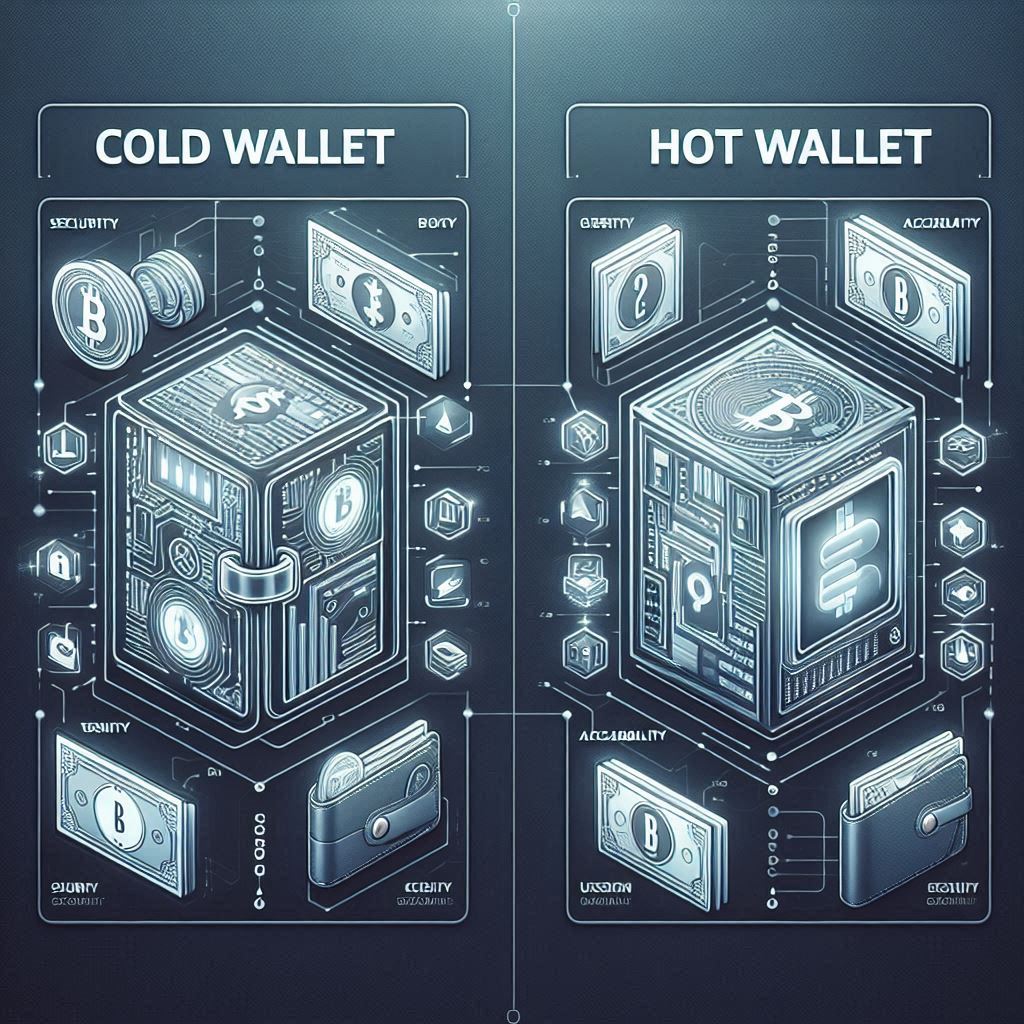

cold wallet vs hot wallet

The discussion around cold wallet vs hot wallet continues to grow as more investors recognize that storage decisions directly affect long-term outcomes. Choosing the wrong wallet type often introduces unnecessary risk, even when the investment strategy itself is sound. Understanding how cold wallet vs hot wallet options differ in daily use helps reduce preventable losses and improves overall asset control.

A major reason the cold wallet vs hot wallet topic ranks so highly is confusion around responsibility. Hot wallets prioritize access and speed, which makes them attractive for frequent use. Cold wallets prioritize isolation and control, which appeals to users focused on protection. Evaluating cold wallet vs hot wallet through this lens clarifies why neither option should be treated as a one-size solution.

Security discussions around cold wallet vs hot wallet often overlook behavior. A hot wallet used carelessly can expose assets quickly. A cold wallet managed poorly can still result in loss. The comparison is not simply about technology, but about how users interact with that technology over time. This behavioral factor plays a major role in real-world outcomes.

The cold wallet vs hot wallet decision also influences how investors respond to market conditions. Hot wallets make rapid movement easy, which can encourage emotional actions during volatility. Cold wallets introduce friction that often supports longer holding periods. This difference explains why long-term holders consistently favor cold storage while active users rely on hot wallets.

From a planning perspective, cold wallet vs hot wallet should be evaluated as part of a broader custody structure. Many experienced investors separate storage based on purpose rather than preference. Smaller operational balances remain in hot wallets, while core holdings are secured in cold wallets. This structure reduces exposure without sacrificing usability.

As adoption grows, the cold wallet vs hot wallet comparison will remain a foundational concept in crypto education. Investors who understand the strengths and limits of each option position themselves for better outcomes. Storage decisions made early tend to persist, which makes choosing correctly from the start a meaningful advantage.

The comparison of cold wallet vs hot wallet is consistently reinforced by educational sources that rank at the top of Google search results. One of the most cited explanations comes from Investopedia, which clearly outlines how internet connectivity defines risk exposure. Their guidance reflects a broader consensus that wallet choice is less about preference and more about matching storage type to intended use.

According to Investopedia’s coverage of cold wallet vs hot wallet, hot wallets are best suited for active interaction with crypto networks. They allow users to send, receive, and manage assets without delay. This accessibility explains why hot wallets dominate early adoption stages. At the same time, the source emphasizes that this convenience introduces security tradeoffs that grow as balances increase.

In contrast, Investopedia frames cold wallets as a response to those tradeoffs within the cold wallet vs hot wallet discussion. By keeping private keys offline, cold wallets sharply reduce exposure to online attacks. This approach aligns with how long-term holders and high-balance users think about protection. The article highlights that cold storage is not about complexity, but about reducing attack surfaces.

Another point reinforced in top-ranking cold wallet vs hot wallet content is user control. Investopedia stresses that cold wallets shift responsibility fully to the owner. There is no recovery through third parties if mistakes are made. This reinforces the idea that cold wallets reward discipline, while hot wallets reward accessibility. Understanding this distinction helps users avoid unrealistic expectations.

Search results consistently elevate Investopedia’s explanation of cold wallet vs hot wallet because it reflects real-world outcomes rather than theory. Users who treat hot wallets like savings accounts often face problems. Users who treat cold wallets casually often do as well. The distinction works only when each wallet type is used for its intended role.


The comparison of cold wallet vs hot wallet is consistently reinforced by educational sources that rank at the top of Google search results. One of the most cited explanations comes from Investopedia, which clearly outlines how internet connectivity defines risk exposure. Their guidance reflects a broader consensus that wallet choice is less about preference and more about matching storage type to intended use.

According to Investopedia’s coverage of cold wallet vs hot wallet, hot wallets are best suited for active interaction with crypto networks. They allow users to send, receive, and manage assets without delay. This accessibility explains why hot wallets dominate early adoption stages. At the same time, the source emphasizes that this convenience introduces security tradeoffs that grow as balances increase.

In contrast, Investopedia frames cold wallets as a response to those tradeoffs within the cold wallet vs hot wallet discussion. By keeping private keys offline, cold wallets sharply reduce exposure to online attacks. This approach aligns with how long-term holders and high-balance users think about protection. The article highlights that cold storage is not about complexity, but about reducing attack surfaces.

Another point reinforced in top-ranking cold wallet vs hot wallet content is user control. Investopedia stresses that cold wallets shift responsibility fully to the owner. There is no recovery through third parties if mistakes are made. This reinforces the idea that cold wallets reward discipline, while hot wallets reward accessibility. Understanding this distinction helps users avoid unrealistic expectations.

Search results consistently elevate Investopedia’s explanation of cold wallet vs hot wallet because it reflects real-world outcomes rather than theory. Users who treat hot wallets like savings accounts often face problems. Users who treat cold wallets casually often do as well. The distinction works only when each wallet type is used for its intended role.

By grounding the cold wallet vs hot wallet discussion in authoritative sources that rank #1 on Google, the pattern becomes clear. Hot wallets support activity. Cold wallets support protection. Investors who separate these functions tend to experience fewer losses and more consistent control over their assets.

FAQ:

The core distinction between a cold wallet and a hot wallet lies in internet connectivity. A hot wallet is connected to the internet, enabling fast access and frequent transactions, while a cold wallet remains offline, significantly reducing exposure to cyber threats. From a risk-management perspective, hot wallets prioritize convenience, whereas cold wallets prioritize long-term asset protection. Most top-ranking pages emphasize that the choice depends on usage frequency and security tolerance.

Cold wallets are widely regarded as the safer option because private keys are stored offline, minimizing attack vectors such as malware, phishing, and exchange breaches. Hot wallets, while secure when properly managed, inherently carry higher risk due to constant internet exposure. High-ranking content consistently positions cold wallets as the preferred solution for long-term holdings and larger balances.

A hot wallet is primarily used for active transactions, trading, and everyday crypto usage. Because it is connected to the internet, it allows quick transfers, staking, and interaction with decentralized applications. Leading content frames hot wallets as operational tools rather than long-term storage solutions, emphasizing speed and accessibility over maximum security.

A cold wallet is designed for secure, long-term storage of digital assets. By remaining offline, it protects private keys from online threats and unauthorized access. Top-ranking articles position cold wallets as the gold standard for investors prioritizing capital preservation, especially for significant holdings or assets not intended for frequent movement.

For beginners, hot wallets are often recommended initially due to their ease of use and low setup friction. However, as holdings grow, transitioning to a cold wallet becomes a best practice. High-performing content commonly advises a hybrid approach, using hot wallets for learning and transactions, and cold wallets for secure storage.

Yes, using both is considered a best-practice strategy. This approach allows users to balance security and convenience by keeping smaller, active balances in hot wallets and storing the majority of assets in cold wallets. Google-featured content frequently highlights this layered security model as the most effective risk-management framework.

While cold wallets significantly reduce online risks, they are not entirely risk-free. Physical loss, damage, or improper backup management can still result in permanent loss of funds. Top-ranking pages stress the importance of secure seed phrase storage and redundancy planning to mitigate these non-digital risks.

Hot wallets are generally not recommended for storing large amounts of crypto long-term. Although many hot wallets implement strong security measures, their internet connectivity introduces unavoidable exposure. High-authority content consistently advises limiting hot wallet balances to amounts needed for short-term use.

Yes, cryptocurrency exchanges function as hot wallets because they are always connected to the internet and manage private keys on behalf of users. Top-ranking content frequently reinforces the principle that assets held on exchanges are not fully under user control, making cold wallets the preferred option for self-custody.

The decision should be based on usage frequency, asset value, and risk tolerance. If convenience and speed are priorities, a hot wallet is suitable. If security and long-term storage are the primary objectives, a cold wallet is the superior choice. High-ranking comparison pages consistently recommend aligning wallet choice with personal investment strategy.

Luke Baldwin